Does Self-Massage Actually Work? What the Evidence Says

Last Updated: November 19, 2026
Quick Summary
Self-massage can ease the feeling of tight muscles for many people, because pressure and movement on a sore area often bring a short-term sense of relief. It works best as a practical habit, a few minutes at a time, rather than a substitute for a professional session.
- Pressure can make a tight area feel looser for a while.
- Slow, rhythmic movement often feels calming to many people.
- Regular use may matter more than one long session.
- Most people find five to ten minutes per area comfortable.
- Skip self-massage on swollen, bruised, numb or injured areas and check with a professional.
Table of Contents
- Does Self-Massage Actually Work for Muscle Tension?
- Why Self-Massage Often Feels Less Satisfying Than a Professional Session
- Choosing Self-Massage Tools for Forearms, Hands and Legs
- How to Massage Your Back by Yourself Without Straining
- How Long a Self-Massage Session Should Last
- Step-by-Step: A Simple Routine for General Tension Release
- When to Skip Self-Massage and Check With a Professional
- Setting Up Your Own Self-Massage Routine This Week
- Frequently Asked Questions
Does Self-Massage Actually Work for Muscle Tension?
Self-massage can ease the feeling of tight muscles for many people, and the reason is simple: pressure and movement on a sore area often bring a short-term sense of relief. Roleo Massager makes handheld tools built around that idea, so it helps to understand what self-massage does well and where it falls short.
Most research on massage looks at professional sessions, not self-treatment. Gentle, steady pressure feels good to many people, and some find it helps them unwind after long hours at a desk, at an instrument, or on a job that keeps their hands busy.
- Pressure can make a tight area feel looser for a while
- Slow, rhythmic movement often feels calming
- Regular use may matter more than one long session
Self-massage is best thought of as a practical habit. It can be one part of a wider routine that includes movement, breaks and rest.
Why Self-Massage Often Feels Less Satisfying Than a Professional Session
Many people try self-massage and feel let down. The pressure seems weaker, the tight spots seem harder to reach, and the relief fades fast. That gap is real, and it has a few clear causes worth understanding before you decide whether self-massage is worth your time.
The Pressure and Positioning Problem
Your hands can only push so hard, and you usually cannot see what you are doing. A massage therapist can apply pressure from a steady angle and adjust based on feedback, while self-massage often means pressing at an awkward angle.
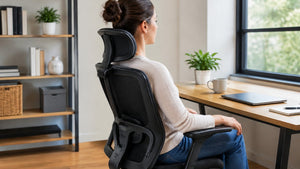
Positioning matters just as much. Reaching your own upper back, for example, can strain your shoulders and neck, the very areas you are trying to relax. A common pattern is that people unconsciously shorten their strokes and lighten pressure as their working arm fatigues, so the last minute of a session is much less effective than the first. Using a tool with a comfortable grip, keeping your posture relaxed, and avoiding bony areas helps close part of that gap.
What Your Nervous System Is Doing Differently
When someone else touches you, your body often relaxes more easily because you are not bracing for the next move. When you touch yourself, your brain already knows what is coming, a phenomenon sometimes described as self-touch attenuation, which can make the sensation feel less intense and less novel. That is one reason people often report feeling more relaxed after a session with another person, even when the total pressure applied is similar.
The Satisfaction Gap Is Real, But It Is Not the Whole Story
Acknowledging this gap matters, because unrealistic expectations are the main reason people abandon self-massage after a week. The honest framing is that self-massage is a different category of experience, not a cheaper version of a professional session. It trades the deep, passive relaxation of a therapist session for convenience, control, and frequency, you can do it daily, at home, for as long as you like, without booking anything.
Most practitioners find that the people who stick with self-massage are the ones who reframe it as a short, functional habit, a few minutes on the forearms after a long typing session, or on the calves after a walk, rather than as a substitute for a full-body professional appointment. Used that way, the satisfaction gap matters much less, because the goal is a quick reset rather than a complete unwind.
Watch out: if you find yourself pressing harder and harder to chase the sensation a professional session gives you, stop, that is usually a sign you are bracing and straining your working arm rather than helping the target area.
Choosing Self-Massage Tools for Forearms, Hands and Legs
Tools can make self-massage easier, but the right choice depends on the area you want to work on. A few options stand out:
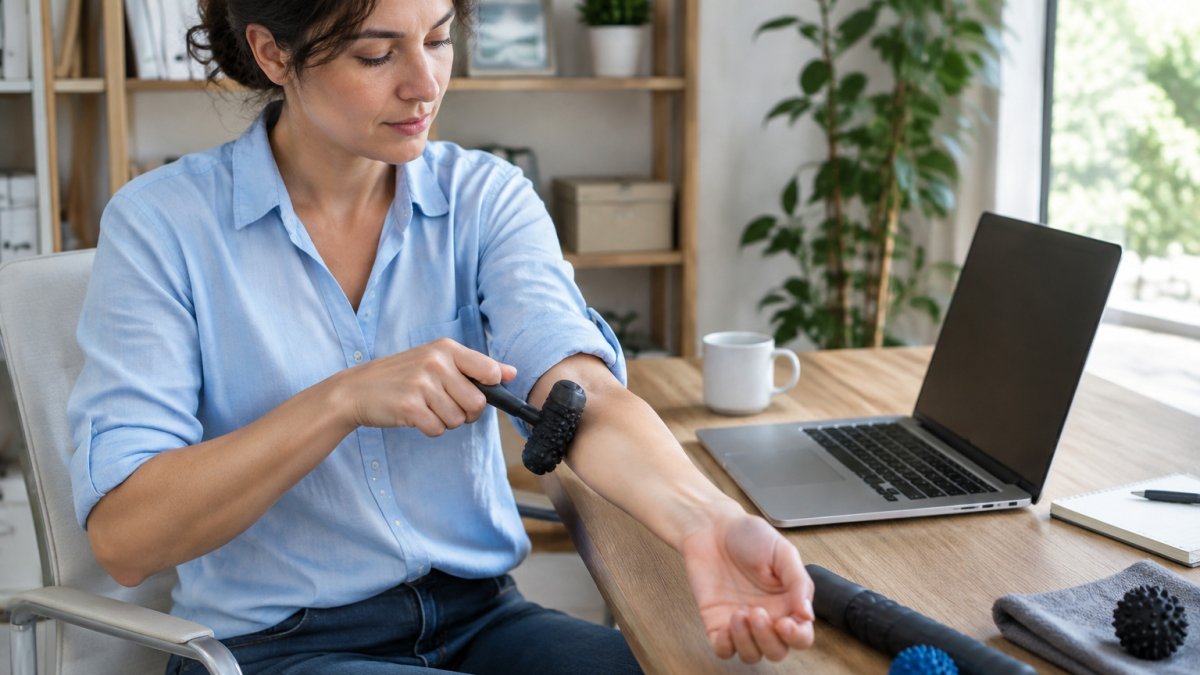
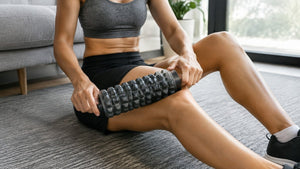
- Leg rollers work well for calves, thighs and the back of the legs. The Roleo Leg Massager is built for calves, thighs and arms, and lets you roll up and down the muscle at your own pace.
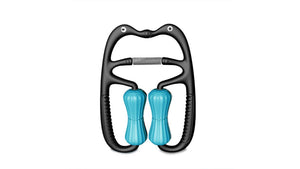
- Arm and hand massagers suit forearms and hands, where a handheld tool gives you more control over pressure.
- Foam rollers are a common alternative, though they can feel bulky on smaller areas like the forearm.
When comparing tools, look at grip, size, pressure control and how easy the device is to carry. The Roleo Arm & Hand Massager is designed for forearms and hands, while the Roleo Leg Massager suits larger muscle groups.
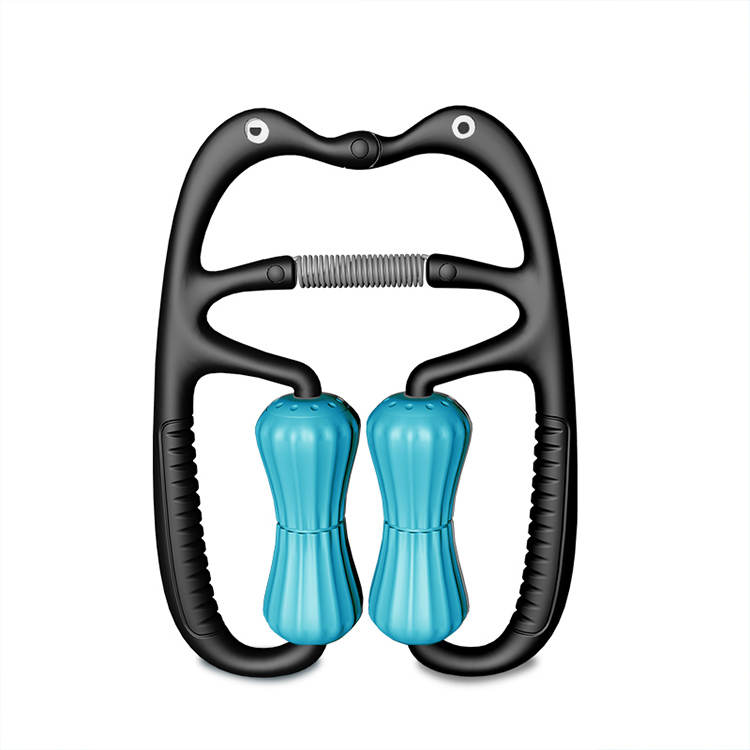
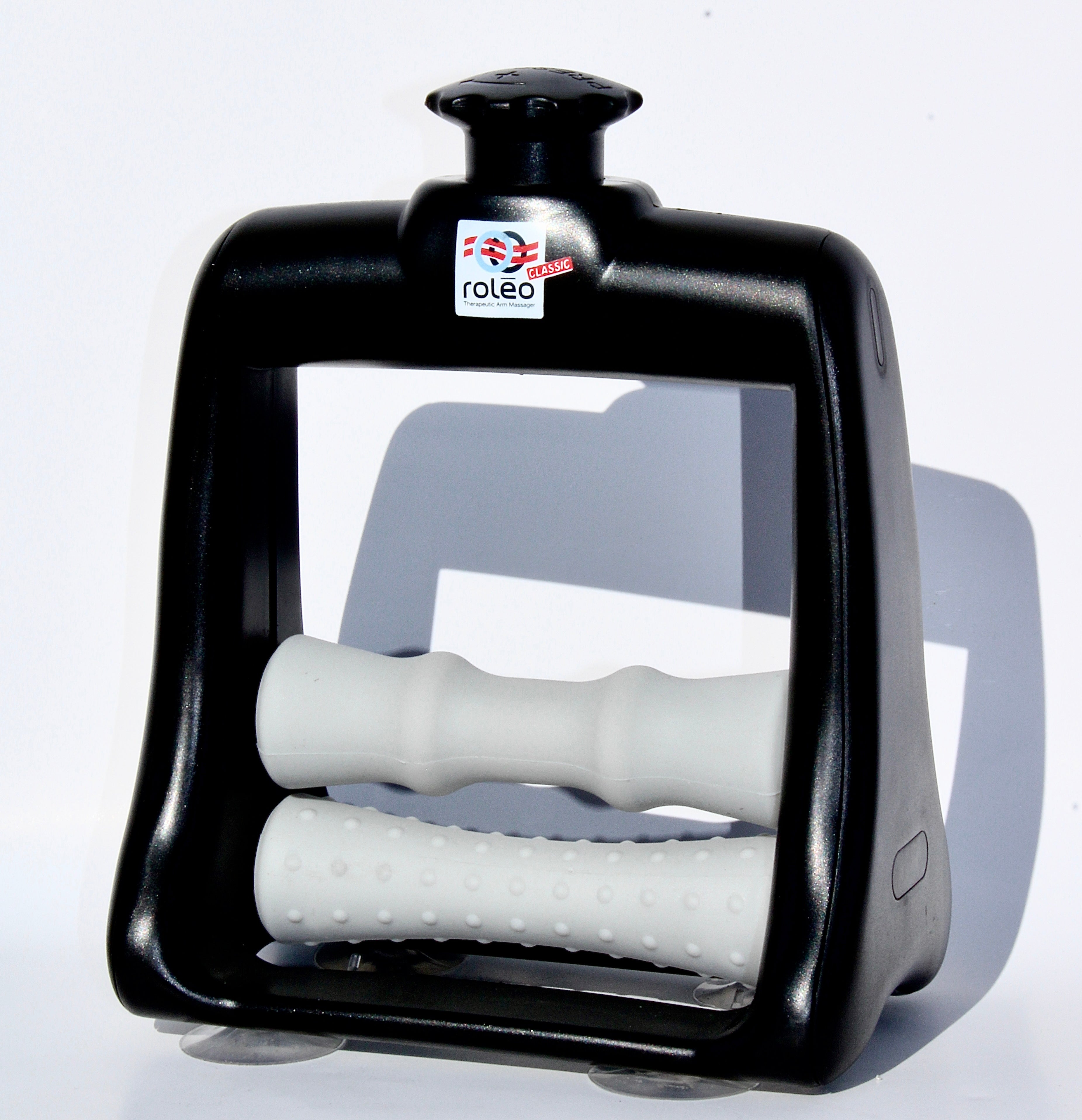
The right tool depends on which area you want to work on, and the main options differ in how they suit forearms, hands and legs.
| Tool | Best for | Key difference |
|---|---|---|
| Leg rollers | Calves, thighs, back of legs | Roll up and down the muscle at your own pace |
| Arm and hand massagers | Forearms and hands | Handheld control over pressure |
| Foam rollers | Larger muscle groups | Common alternative, bulky on smaller areas like the forearm |
How to Massage Your Back by Yourself Without Straining
The back is one of the harder areas to reach alone. A few habits can help you avoid strain:
- Use a wall or a sturdy chair back for support
- Keep your movements slow and short
- Breathe normally and stop if you feel sharp pain
- Work on the upper and mid back, and avoid pressing directly on the spine
If you need more reach, a long-handled tool can help you target the shoulder blades and sides of the back without twisting. Never press hard on the spine itself.
How Long a Self-Massage Session Should Last
Many people find sessions of five to ten minutes per area comfortable. Longer sessions can leave muscles sore, especially if you are new to self-massage. Start with short sessions, then build up over a week or two.
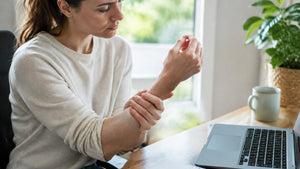
For forearms and hands, shorter sessions are usually enough. For more detailed timing for this area, see the forearm muscle tightness guide. For larger muscles like the calves or thighs, you can spend a bit more time, as long as the pressure stays comfortable.
Step-by-Step: A Simple Routine for General Tension Release
Here is a basic routine you can follow:
- Warm up by rolling your shoulders and wrists for one minute.
- Choose one area to focus on, such as a forearm or calf.
- Apply light pressure and roll slowly from the elbow to the wrist, or from the knee to the ankle.
- Pause on tender spots for a few seconds, then ease off.
- Repeat for five to ten minutes, changing direction if it feels good.
- Finish with a stretch and notice how the area feels.
Check the video instructions included with your device for more guidance on technique.
When to Skip Self-Massage and Check With a Professional
Most articles on self-massage focus entirely on benefits. That is a mistake, because knowing when not to massage is just as important as knowing how. Self-massage is a comfort habit, and there are situations where skipping it is the right call.
Situations Where You Should Skip Self-Massage
Skip self-massage on the area and talk to a qualified healthcare professional if you notice:
- Swelling, redness, warmth or bruising in the area
- Numbness, tingling or weakness
- Pain that is sharp, worsening, or lasts more than a few days
- A recent injury, surgery, or a known or suspected blood clot
- Skin that is broken, infected, or has an unexplained rash
These are general red flags, not a diagnosis. The point is simply that pressure and movement are not appropriate on tissue that is already inflamed, injured, or compromised, and a professional can tell you what is safe for your situation.
The Ergonomic Risk Nobody Talks About
Here is the gap most self-massage guides skip: the act of massaging yourself can create secondary strain in the very arm, shoulder, or back you are using to apply pressure. Reaching across your body to work on the opposite forearm, hunching over a calf on the floor, or twisting to reach a shoulder blade all load your working side in awkward positions.
A few habits reduce that risk:
- Bring the target to you, not the other way around. Rest the forearm on a table at elbow height rather than holding it up in the air.
- Keep your working wrist neutral. A bent wrist under load tires quickly and is a common source of next-day soreness in the hand doing the massaging.
- Use a tool for hard-to-reach areas. A long-handled device lets you work the shoulder blades and sides of the back without twisting your torso.
- Switch sides every few minutes. Alternating hands spreads the load and keeps pressure more consistent.
- Stop when your working arm fatigues. Fatigue is when form breaks down and pressure becomes uneven.
Watch out: if you finish a self-massage session and the arm you used to massage feels more tired than the area you worked on, your setup is working against you, adjust the height of the surface or switch to a tool before your next session.
Self-Massage Is a Comfort Habit, Not a Treatment
It is worth being clear about what self-massage is and is not. It can feel good, it can help you unwind after long hours at a desk or on a job that keeps your hands busy, and it fits easily into a daily routine. It is not a substitute for professional care, and it is not appropriate on tissue that is injured or inflamed. Used within those limits, it is a low-risk, convenient habit for general tension and everyday comfort.
Setting Up Your Own Self-Massage Routine This Week
A simple plan can help you stick with it:
- Pick one area to focus on for the week
- Schedule five to ten minutes at the same time each day, such as after work
- Keep your tool somewhere visible so it's easy to reach
- Note how each session feels, and adjust pressure or timing as needed
Consistency matters more than intensity. Roleo Massager's tools are designed for use at home, at work, or anywhere, per the product description.
Ready to build your own routine? Explore the Roleo Massager range and find the tool that fits the areas you want to work on.
Frequently Asked Questions
How effective is self-massage?
Self-massage can make muscles feel looser and more relaxed, and many people find it a useful part of a general wellness routine. Its effects are best described as experiential. Results vary with pressure, positioning and how consistently you practise. Because self-massage is not a medical treatment, it should not replace advice from a qualified professional for persistent pain, injury or numbness.
How long should you spend on self-massage?
Most people find that 5 to 15 minutes per area is a comfortable starting point. Shorter sessions done regularly often feel more manageable than one long session. Stop if you feel sharp pain, numbness or tingling. The right duration depends on how your body responds, so adjust gradually and pay attention to how you feel afterwards.
Is self-massage as satisfying as a professional massage?
For many people, self-massage feels less satisfying than a professional session. A therapist can reach areas you cannot easily reach, apply pressure from better angles and adjust to your feedback in real time. Self-massage offers convenience and frequency, which can make it a practical complement to occasional professional sessions rather than a full replacement.

- Paul Kleiman