Are Roller Massagers for Legs Worth Using?

Last Updated: November 15, 2026
Quick Summary
A roller massager legs tool is a simple way to ease the feeling of tight or sore calves and thighs at home. You control the pressure by leaning into it and roll slowly up each muscle. Most people start with about five minutes per leg, keeping pressure light and avoiding the back of the knee.
- Start with light pressure, around 4 to 6 out of 10, that you can breathe through.
- Roll each leg for about five minutes as a starting point.
- Keep each tender spot to 10 to 20 seconds instead of staying on one point.
- Avoid rolling the back of the knee, bony areas, or swollen or bruised spots.
- Stop and seek professional advice if you feel sharp pain, numbness, or new swelling.
Table of Contents
- What a Roller Massager for Legs Does
- Benefits of Foam Rolling Calves With a Roller Massager
- Choosing Between a Handheld Roller, Massage Stick and Foam Roller
- A Step-by-Step Leg Routine With Timing and Pressure Guidance
- Benefits of Foam Rolling Every Day, and Realistic Expectations
- Why Does Foam Rolling Hurt, and When to Stop
- Start Your Leg Recovery Routine With the Roleo Leg Massager
- Frequently Asked Questions
If you spend long hours on your feet, at a desk or on a bike, your legs can feel heavy, stiff and tight by the end of the day. A roller massager legs tool is one of the simplest ways to work on those muscles at home. This guide explains what a leg roller does, who tends to find it useful, and how to decide whether it fits your routine.
What a Roller Massager for Legs Does
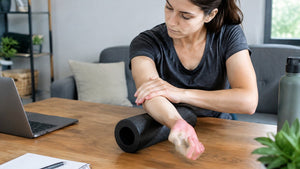
A roller massager is a handheld tool with one or more cylinders that you roll over your own muscles. You control the pressure by leaning your weight into it, and you control the direction by moving slowly up and down the muscle. It is a form of self-massage, which is why it fits easily into a daily routine.
Muscle tension and general soreness
Most people use a leg roller to ease the feeling of tight or sore muscles after a long day or a hard workout. A slow, steady pass over the muscle is the simplest way to get that general sense of release.
Circulation and everyday leg comfort
Some people use a roller massager as part of a general wellness routine on days when they sit or stand for a long time. Our Roleo Leg Massager is designed for use on the calves, thighs and arms.
Benefits of Foam Rolling Calves With a Roller Massager
Calves are one of the most common places people focus on, because they tend to feel tight after walking, running or standing. A roller lets you work the full length of the calf in a few minutes, with no partner needed.
A calf-specific routine with timing and pressure
Follow this sequence on each calf. Total time is about 3 minutes per leg.
- Sit on a chair or the edge of a bed with the leg relaxed and the foot flat.
- Place the roller at the ankle and roll slowly up to just below the back of the knee, about 10 slow passes, roughly 2 seconds up and 2 seconds down.
- Rotate the leg slightly inward and repeat 5 passes, then slightly outward and repeat 5 passes, so you cover the inner and outer calf.
- Pause on any tender spot for 10 to 20 seconds, then keep moving.
- Finish with 5 light, fast passes over the whole calf to close the session.
Start with lower pressure and work up gradually. A useful guide is a 1-to-10 pressure scale: aim for 4 to 6, where you feel firm pressure but can breathe normally and keep your jaw relaxed.
Watch out: Do not roll directly over the back of the knee, the shin bone, or any spot that is swollen, bruised or painful when you press on it. Stop if the feeling turns sharp.
Calf rolling before vs. after activity
A common pattern is to keep pre-workout rolling short and light, about 30 to 60 seconds per calf at low pressure, to feel ready to move. Save the longer 3-minute session for after activity or at the end of the day, when the goal is a relaxed, less tight feeling. Rolling aggressively right before a run can leave the calf feeling dull rather than ready.
Choosing Between a Handheld Roller, Massage Stick and Foam Roller
Leg tools come in a few common types, and each suits a different person. Here is how we would think about the choice:
Tool |
Best For |
Main Trade-off |
|---|---|---|
Handheld roller |
Targeted work on calves and thighs |
You control pressure with your hands |
Massage stick |
Long, even passes on large muscles |
Harder to reach the back of the leg |
Foam roller |
Broad work on the whole leg |
Takes floor space and can feel intense |
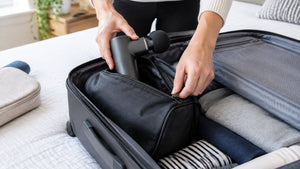
The Roleo Leg Massager is lightweight and portable, designed for use at home, the gym, the office or on the go. A foam roller gives wider coverage but needs room on the floor. A massage stick sits between the two.
A handheld roller is light and portable, so it can be used at home, at the gym, in the office or on the go. If you already have plenty of floor space and enjoy longer sessions, a foam roller may suit you better.
A Step-by-Step Leg Routine With Timing and Pressure Guidance
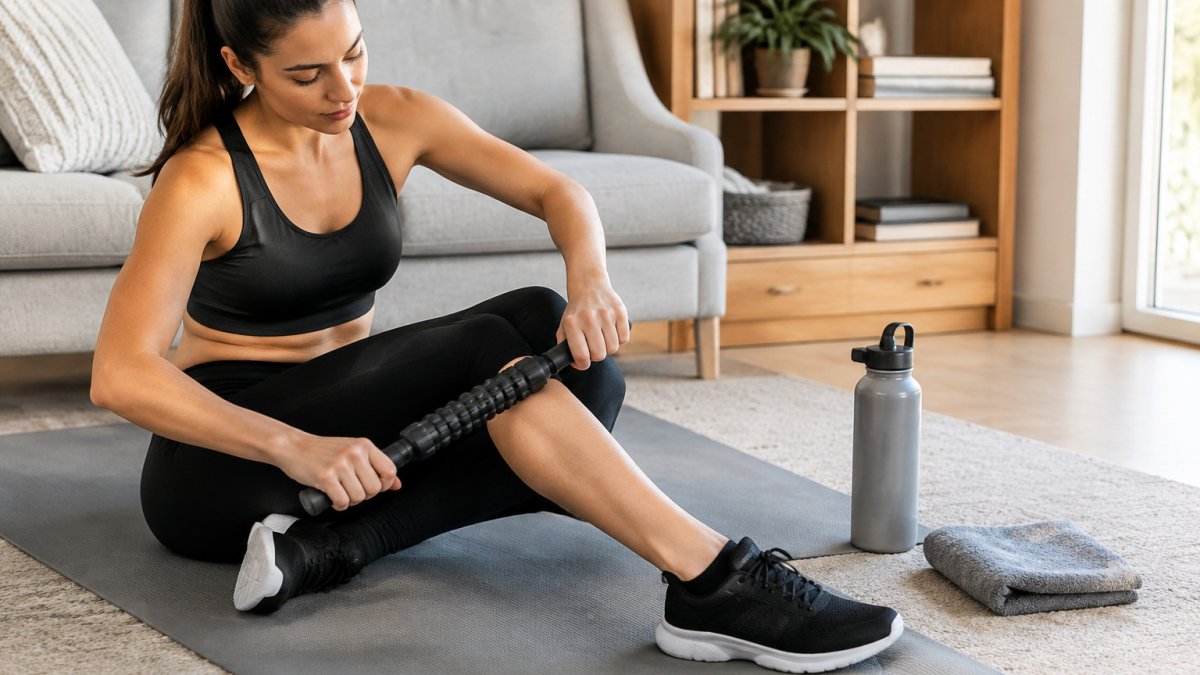
- Sit on a chair or the edge of a bed with the leg relaxed.
- Place the roller at the ankle and roll slowly up the calf.
- Pause on any tender spot for 10 to 20 seconds, then keep moving.
- Roll the back of the thigh from the knee up to the hip.
- Roll the front of the thigh, keeping the movement slow and even.
- Finish with a few gentle passes over the whole leg.
How much pressure to use
Start light. You should feel a firm, steady pressure that you can breathe through. If you tense up, hold your breath or wince, ease off. Pressure should feel like a deep massage, not sharp pain.
How long to roll each leg
Five minutes per leg is a good starting point. Spend more time on tight areas, but keep each spot to 10 to 20 seconds rather than staying on one point for a long time.
Watch out: Do not roll directly over the back of the knee, a bony area, or any spot that is swollen, bruised or painful when you press on it. Stop if the feeling turns sharp.
Benefits of Foam Rolling Every Day, and Realistic Expectations
Daily use is the most common way people get value from a leg roller. Short, regular sessions are easier to keep up than one long session a week, and most people find a 5-to-10-minute routine fits into a morning or evening slot without feeling like a chore.
A conservative schedule to start with
A practical framework most people can follow:
- Week 1-2: 3 to 4 sessions per week, about 3 minutes per leg, light pressure (4 out of 10).
- Week 3-4: 5 sessions per week, about 5 minutes per leg, moderate pressure (5 to 6 out of 10).
- Ongoing: daily if it feels good, keeping each tender spot to 10 to 20 seconds rather than staying on one point for a long time.
How to track whether it is working for you
Because the effects people notice are often short-term, it helps to track a few simple things rather than relying on a general feeling:
- Comfort: rate leg tightness on a 1-to-10 scale before and after each session.
- Range of motion: note how easily you can point and flex your foot, or how far you can reach toward your toes, at the start and end of the week.
- Soreness timing: write down whether any soreness appears the day after rolling, and adjust pressure accordingly.
- Consistency: count sessions per week, a simple tally is enough.
Realistic expectations
Realistic expectations matter here. Some people use a roller as one part of a general wellness routine alongside movement and rest. If your legs stay sore or swollen for several days, speak to a doctor.
Everyday use beyond workouts
Leg heaviness after prolonged sitting or standing is one of the most common reasons people reach for a roller. A short session in the evening, calves first, then the back and front of the thigh, is a simple way to feel lighter after a desk day or a long shift. Keep the pressure gentle and the passes slow, and treat it as a comfort habit rather than a fix for any circulation concern.
Why Does Foam Rolling Hurt, and When to Stop
Stop if you feel:
- Sharp or stabbing pain
- Numbness, tingling or pins and needles
- Swelling, heat or new bruising
- Pain that lasts well after you finish
These are signs to pause and get advice from a qualified professional.
Start Your Leg Recovery Routine With the Roleo Leg Massager
If you are looking for a simple leg tool, the Roleo Leg Massager is designed for calves, thighs and arms and is lightweight and portable. For the exact setup and placement, our step-by-step placement guide shows how to position the device, and the video tutorial walks through rolling and adjusting the tension knob. If you are still weighing the cost against other options, our practical breakdown of wrist and forearm massage compares the main choices.
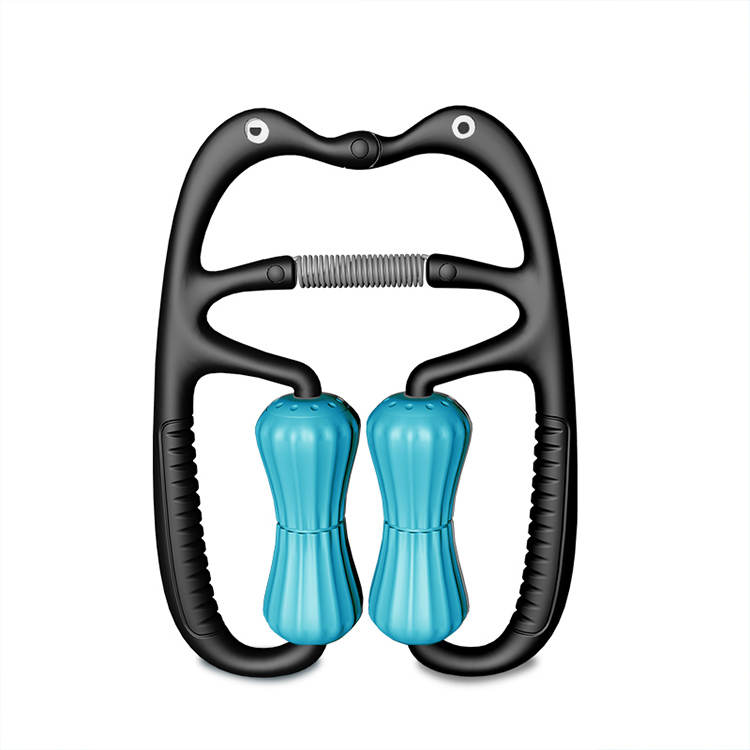
Stop guessing at how your legs feel after a long day. Get started with the Roleo Leg Massager and build a daily routine that fits your schedule.
Frequently Asked Questions
How often should I use a roller on my legs?
Start with a few short sessions a week and see how your legs respond. Stop if you notice sharp pain, bruising or swelling.
Why does foam rolling hurt, and is that normal?
Sharp pain, numbness, tingling or pain that gets worse is a sign to stop. If discomfort lasts or you are unsure whether rolling suits your legs, check with a qualified healthcare professional first.
Do leg rollers actually work?
The Roleo Leg Massager is a self-massage tool designed for use on calves, thighs and arms. If used properly, it can offer the same effects as massage.

- Paul Kleiman