How to Use a Leg Roller Massager on Your Arms

Last Updated: November 17, 2026
Quick Summary
To use a leg roller massager on your arms, hold the device in one or both hands, much like holding a clothes wringer, and rest your forearm palm-down across it with the wrist straight. Roll your arm through the device, moving from just below the wrist toward the elbow. Use your grip to control pressure rather than body weight, and adjust pressure by holding the device more firmly or more loosely.
- Hold the device securely in one or both hands.
- Roll your forearm through the device, moving from just below the wrist toward the elbow, then back.
- Adjust pressure by gripping the device more firmly or more loosely.
- Start with light pressure, since arms feel firmer than legs.
- Stop if you feel sharp pain, numbness, tingling, or swelling.
Table of Contents
- What a Leg Roller Massager Does on the Arms
- Before You Start: Device Fit, Grip and Setup
- Step-by-Step: Rolling the Forearms
- Working the Upper Arm: Biceps and Triceps
- Finding the Right Roller Massager Pressure and Technique
- How Long to Use a Massage Roller on Your Arms
- Safety Checks and When to Stop
- Building Arm Rolling Into Your Routine
- Frequently Asked Questions
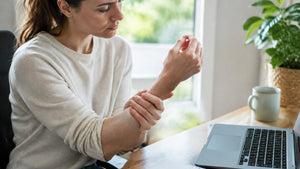
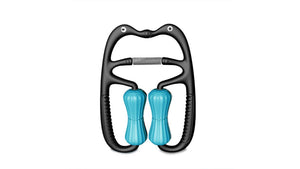
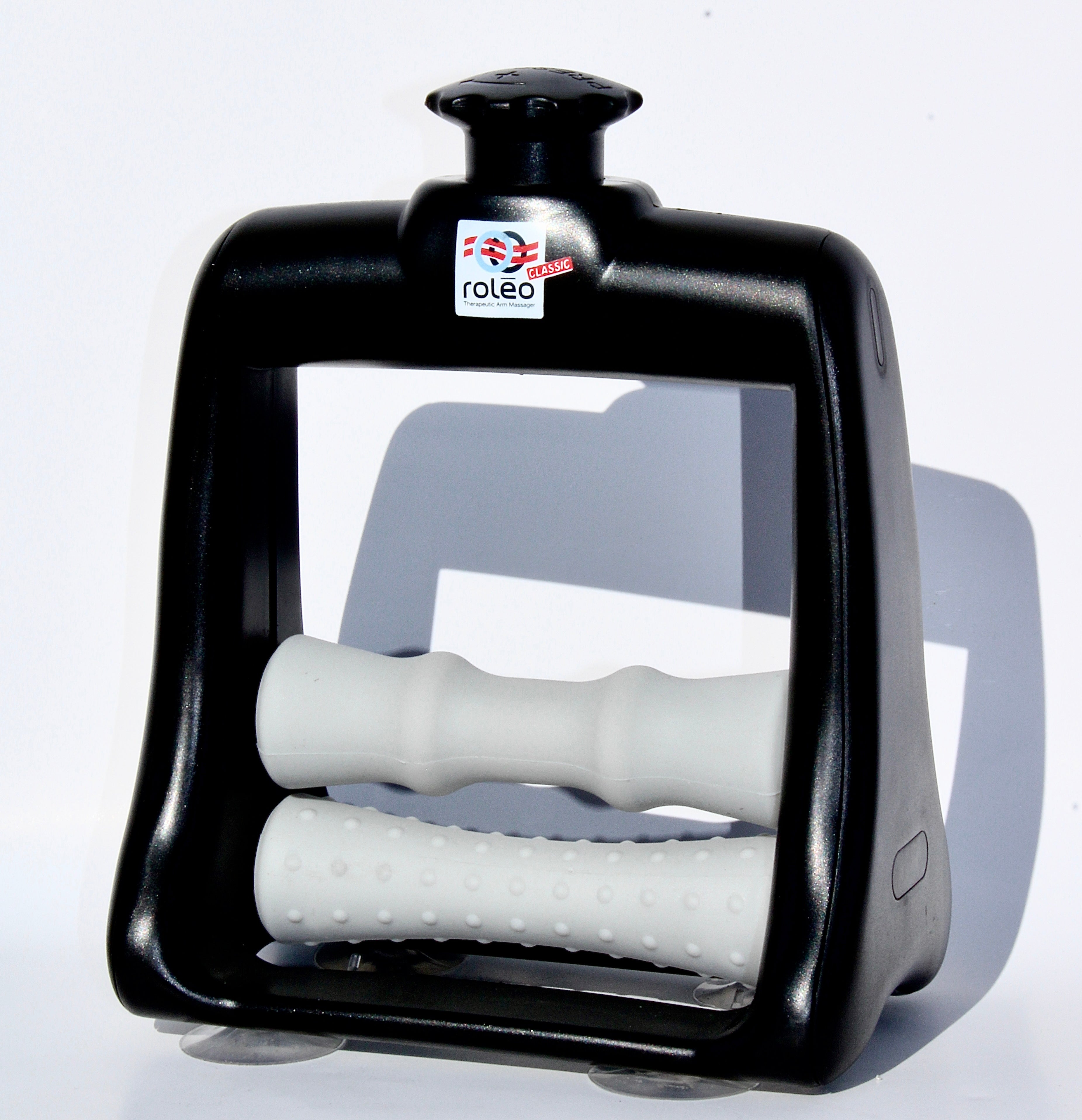
Forearms take a beating from typing, gripping, lifting, and hours spent on a keyboard or guitar neck. A leg roller massager can give those tired forearms a rolling self-massage, and the Roleo Leg Massager is listed for use on calves, thighs and arms. This guide walks through how to use it on your arms, step by step.
The device is built for general wellness and self-care, and it is best thought of as a way to make everyday tightness feel better as part of a routine.
What a Leg Roller Massager Does on the Arms
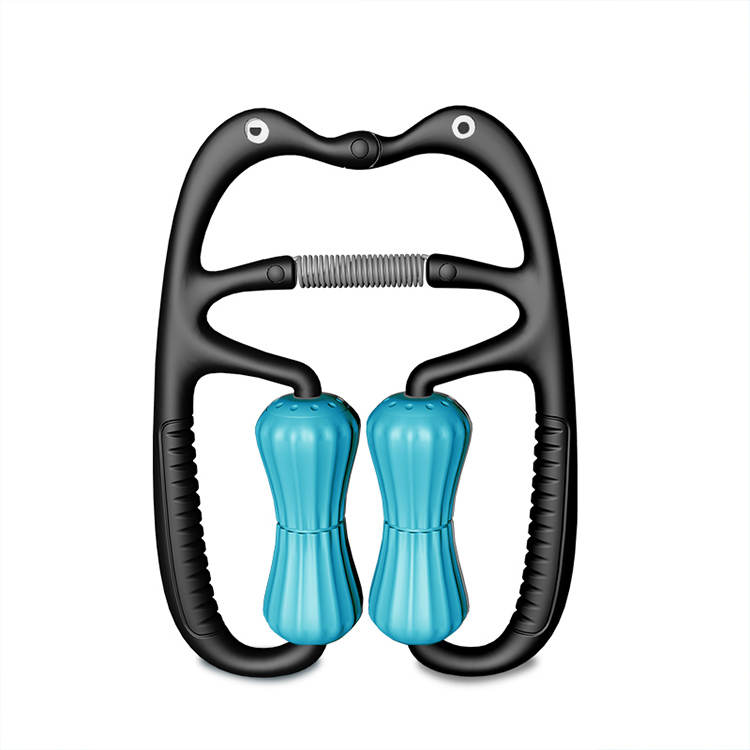
A leg roller massager works by rolling a pair of ribbed rollers over the muscle. You control the pressure by how you position the arm and how much weight you let rest on the device. On the arms, the same roll-and-press action reaches the forearm, upper arm, biceps, and triceps.
Roleo's product listing describes the roller for "effleurage" rolling, a smooth, gliding stroke, and mentions kneading or cross-fiber action when you follow the video instructions. The listing describes use on arms as well as legs.
Think of it as a massage stick you can run along the arm yourself, anytime you want.
Before You Start: Device Fit, Grip and Setup
Hold the device in one or both hands, the way you would hold a rolling pin, and position yourself so you can roll the arm through it without reaching or hunching.
Check these points before you begin:
- Get a firm, comfortable grip on the device with one or both hands.
- Choose a seat where you can relax your shoulder and keep your wrist straight.
- Start with light pressure and add more only if it feels good.
- Keep the rollers clean and dry before each session.
For full placement details, see the official how-to page and the Roleo Leg Massager product page. Both explain how the device should be positioned and what it is designed to do.
Step-by-Step: Rolling the Forearms
A leg roller is wider than a forearm, so keep the arm centered on the rollers rather than letting it drift toward the edges.
Follow these steps:
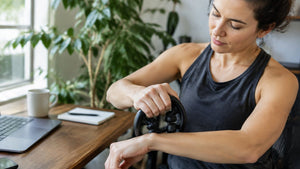
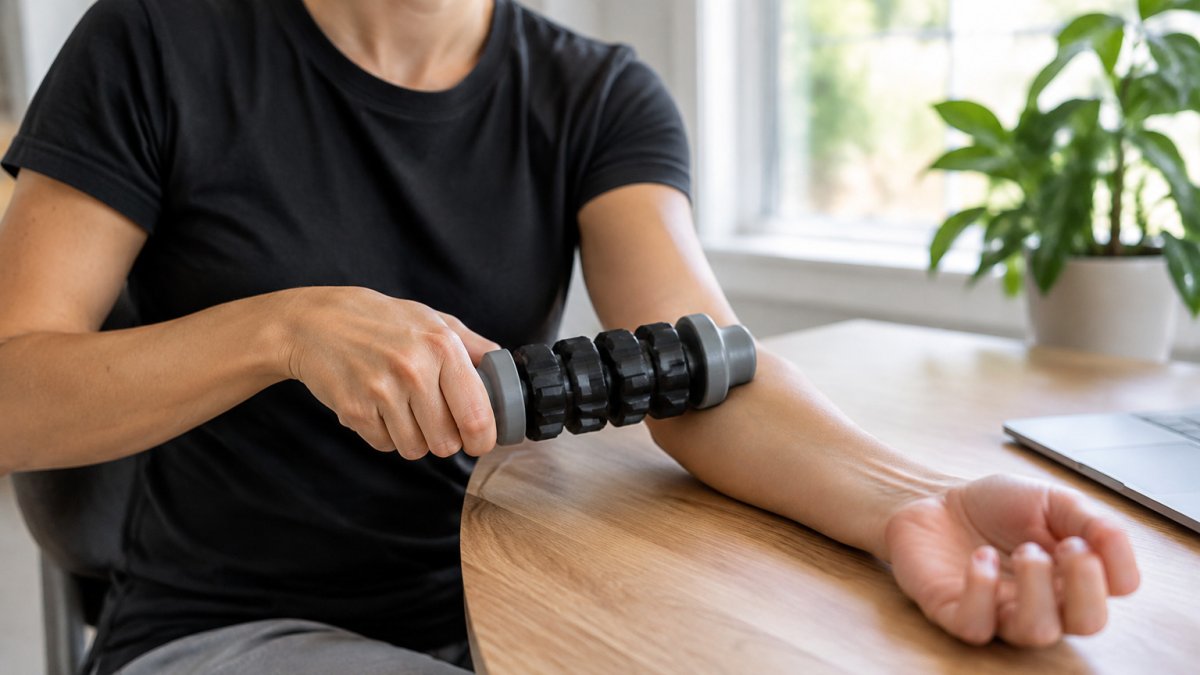
- Hold the device in one or both hands at roughly elbow height, the way you would hold a rolling pin, so you can roll your forearm through it without hunching or reaching.
- Slide your forearm palm-down between the rollers, with the elbow supported and the wrist in a neutral, straight line. Let the fleshy part of the forearm, not the wrist bone, pass through the rollers.
- Roll the device slowly from just below the wrist toward the elbow, then back again, guiding it with your other hand if needed. Keep the stroke to the meaty section of the forearm and stop short of the elbow joint.
- Adjust your grip to change pressure: squeezing the device more firmly increases pressure on the rollers, while a lighter grip eases it.
- Pause briefly on any spot that feels tight, then continue the same slow back-and-forth motion.
- Switch sides and repeat with the other forearm, matching the same speed and pressure.
Watch out: if the device starts to slip or twist in your hands, stop and reset your grip before continuing rather than chasing it with your arm.
Because the forearm is narrow, you can also rotate it slightly palm-up to reach the inner side, and palm-down to reach the outer side. Keep each pass short and controlled; the video tutorial shows the hand, wrist, and forearm motion and how to shift pressure without gripping the device.
If the leg roller feels too wide or awkward on the forearm, that is a fit issue rather than a technique issue, a narrower tool or a dedicated forearm device may be easier to control, which our arm massage tool guide compares.
The steps below summarise how to roll the forearms with the device.
| Step | What to do | Time or frequency |
|---|---|---|
| 1. Set up | Hold the device in one or both hands at roughly elbow height | Before starting |
| 2. Position arm | Slide forearm palm-down between the rollers, wrist neutral, fleshy part passing through | Before starting |
| 3. Roll | Roll the device slowly from just below the wrist toward the elbow and back | Slow back-and-forth |
| 4. Adjust pressure | Squeeze grip firmer for more pressure, loosen grip for less | As needed |
| 5. Pause | Hold briefly on any spot that feels tight | Brief pause |
| 6. Switch sides | Repeat on the other forearm at the same speed and pressure | Same as first side |
Working the Upper Arm: Biceps and Triceps
The upper arm can be rolled in the same way. For the biceps, turn your arm so the inner side faces up, hold the device in one or both hands, and roll your arm through it along the front of the upper arm. For the triceps, turn the arm the other way so the back of the upper arm faces the rollers, then roll it through in the same way.
Keep the movement short and controlled, especially on the upper arm, where the muscles are larger and the pressure can feel more intense. If a spot feels sore in a sharp or unpleasant way, lighten the pressure or move on.
Finding the Right Roller Massager Pressure and Technique
Pressure is the setting most people get wrong, and on the arms it matters more than on the legs because the muscles are smaller and closer to the surface. A leg roller massager is built to take the weight of a leg rolling through it; an arm weighs far less, so the same grip will feel firmer on the forearm than it does on a thigh.
A few practical mechanics help you control it:
- Use a light grip, not brute force. Hold the device loosely enough that the rollers do the work, and feed the arm through at a steady pace rather than squeezing down with your hand. Squeezing hard tenses the forearm you are trying to roll.
- Change your grip to change the pressure. Holding the device more firmly increases the pressure on the arm; loosening your grip eases it. This is the fastest way to fine-tune intensity mid-session.
- Move slowly. A slow pass lets you feel where the roller is and back off before it becomes uncomfortable; quick rolling skips over the spots you wanted to reach.
- Stay relaxed. A tensed arm fights the roller and makes the pressure feel sharper than it is.
- Keep the arm centered. On a narrow forearm, drifting toward the edge of the rollers concentrates pressure on a small area, recenter before adding more pressure.
Watch out: if you find yourself gripping the device tightly or bracing your shoulder to control it, you have hit the limit of comfortable pressure for that arm, ease your grip rather than muscling through.
A common pattern is that people start too firm because the leg roller feels mild on the legs. Start lighter than you think you need on the arms, and build up over several sessions. If the device is consistently too intense or awkward to hold on the arm, that is a signal to compare tool types, our arm massage tool guide covers manual and electric options and how each handles pressure control on smaller areas.
How Long to Use a Massage Roller on Your Arms
Keep sessions short, and let how your arms feel guide how often you use the device.
Stop if the arm feels worse rather than better, and do not force longer sessions just because you think they will help more. Consistency over a few weeks matters more than long single sessions.
Safety Checks and When to Stop
A few simple checks help keep the session comfortable:
- Stop if you feel sharp pain, numbness, tingling, or swelling.
- Avoid rolling over an open wound, bruise, or swollen area.
- Don't roll directly over bones or joints. Keep to the fleshy parts of the arm.
- Check with a qualified professional before use if you have an existing injury or ongoing pain.
This device is intended for general self-care. If arm discomfort persists or worsens, speak to a doctor or physical therapist.
Building Arm Rolling Into Your Routine
Arm rolling works best as a small, regular habit. Try a short session during a work break, while watching television, or after a long day at the keyboard or instrument.
If you want a version made specifically for the forearm and hand, the Roleo Arm & Hand Massager is another option to consider. Pick the one that matches how you plan to use it, and keep the routine simple enough that you will actually stick with it.
Frequently Asked Questions
Can I use a leg roller on my forearms?
Yes, a leg roller massager can be used on the forearms, provided the roller is sized and gripped so you stay in control. Rest the forearm on a firm surface, place the roller on the fleshy muscle rather than over bone, and roll slowly from the elbow toward the wrist. Keep pressure light at first and increase only if the area feels comfortable. Avoid rolling directly over the wrist joint or any area that feels sharp or numb. The Roleo Leg Massager is listed for use on calves, thighs and arms.
How much pressure should I use with a roller massager on my arms?
Start with the lightest pressure you can comfortably manage, then increase gradually over several sessions. Most of the control comes from how much body weight you lean into the roller and the angle you hold it at. A steeper angle concentrates pressure, while a flatter angle spreads it out. If you feel sharp pain, tingling or numbness, reduce the pressure immediately. Pressure should feel like a firm, relaxing massage, never like something you need to brace against.
How long should I use a roller massager on my arms?
Stop if the area becomes sore beyond a mild, relaxed feeling, and avoid rolling the same spot repeatedly without a break.
Where should I avoid using a roller massager on my arms?
Avoid rolling directly over the elbow joint, the wrist joint, bruises, cuts, swollen areas, or any skin that is broken or irritated. Do not roll over nerves you can feel running close to the surface, such as the inside of the elbow, and stop if you notice numbness or tingling. If you have an existing medical condition or unexplained pain in your arms, speak with a qualified health professional before adding a roller massager to your routine.

- Paul Kleiman